Meet the Researchers
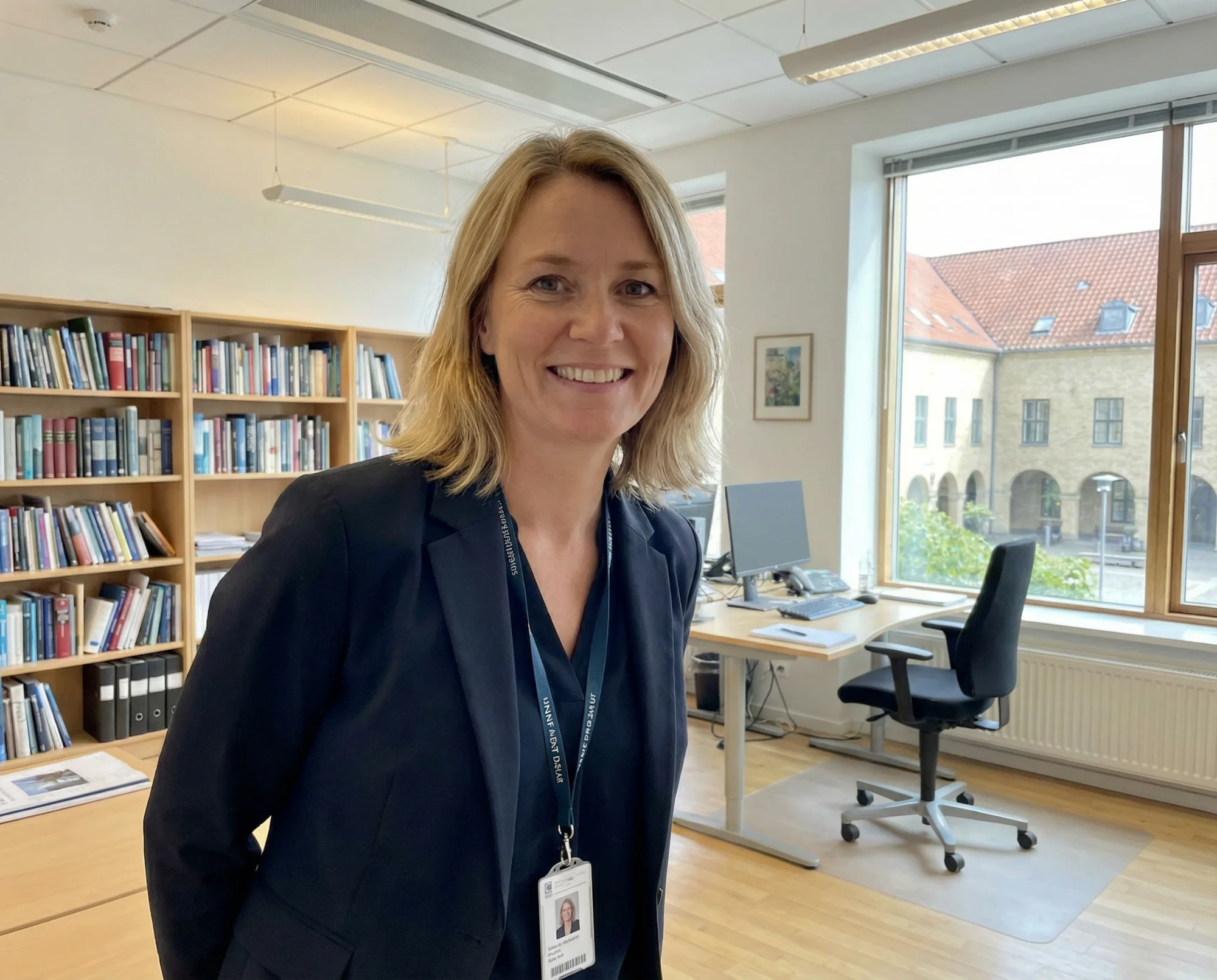
Prof. Ingrid Sørensen
Principal Investigator & Scientific Director
Prof. Sørensen leads the group's scientific vision. With a background in biomedical engineering and computational neuroscience, she oversees integration between medical imaging, clinical insight, and predictive modeling. Her work focuses on translating complex models into tools that clinicians can actually trust and use.
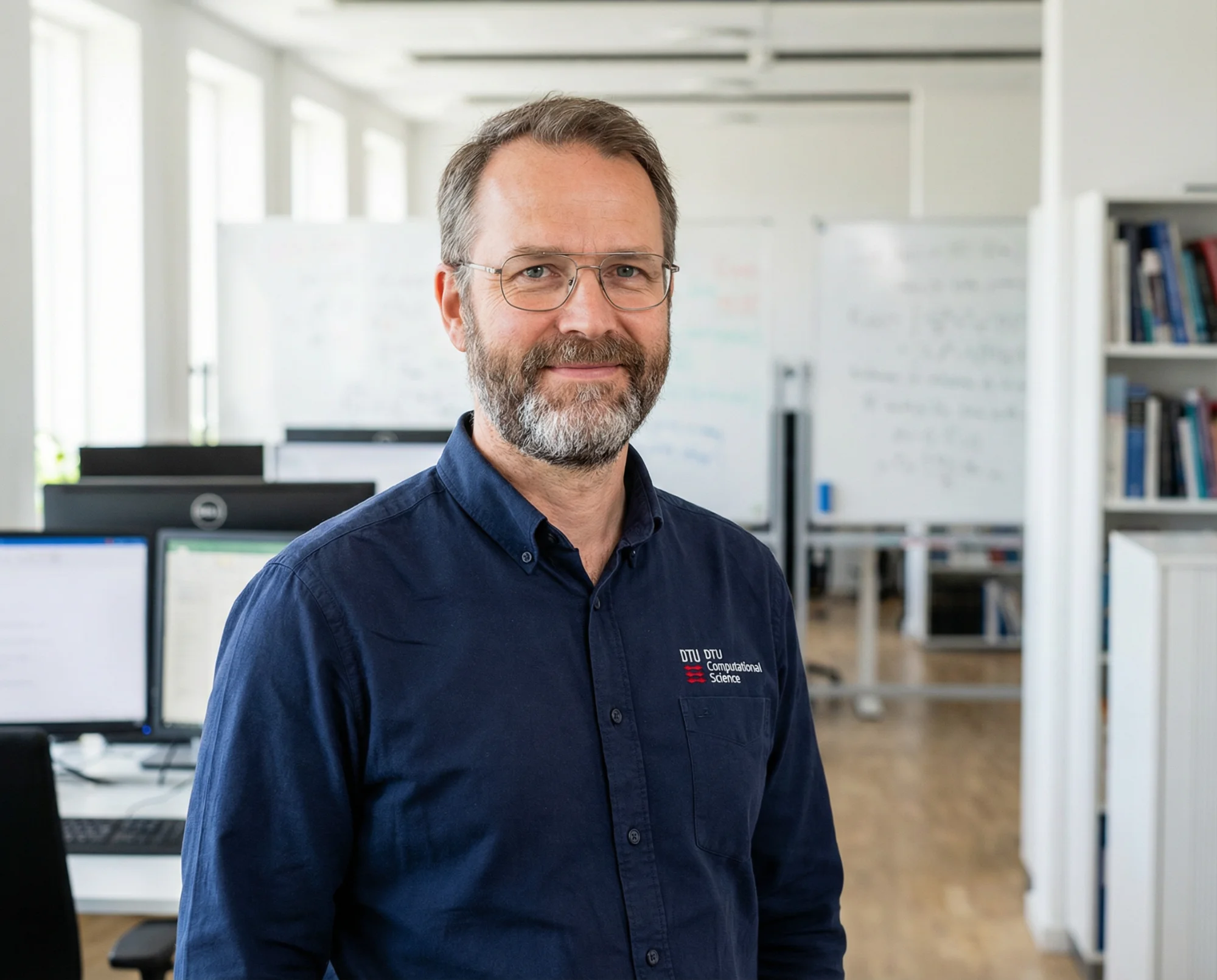
Dr. Mikkel Rasmussen
Head of Computational Modeling
Dr. Rasmussen designs the core predictive frameworks. He specializes in multiscale modeling, uncertainty quantification, and physics-informed machine learning applied to TBI, ensuring models remain interpretable, robust, and grounded in biological reality.
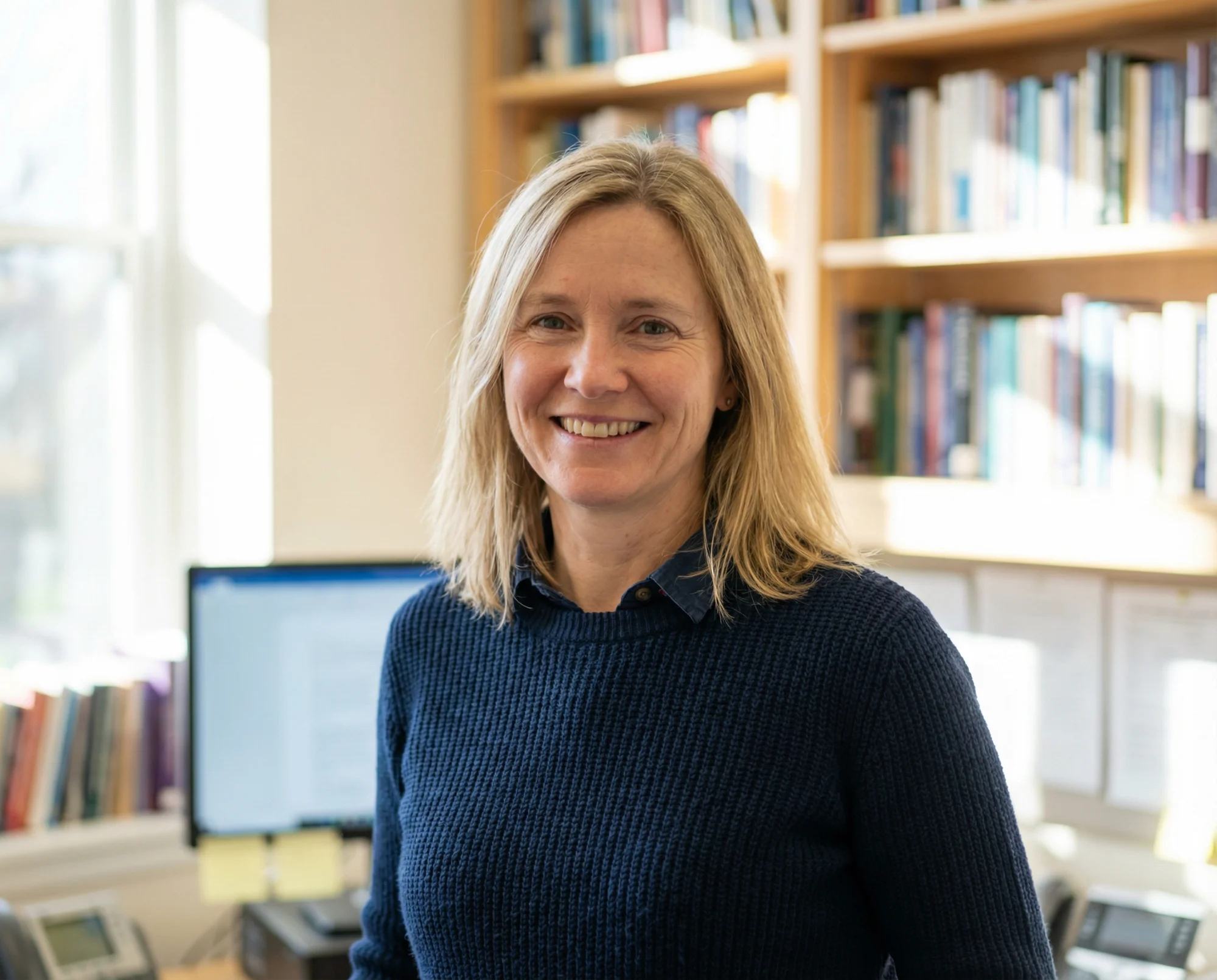
Dr. Sofia Lindholm
Senior Medical Imaging Scientist
Dr. Lindholm leads imaging methodology across MRI, CT, diffusion imaging, and advanced reconstruction techniques. She develops pipelines for harmonizing heterogeneous clinical data and extracting meaningful biomarkers of brain trauma progression.
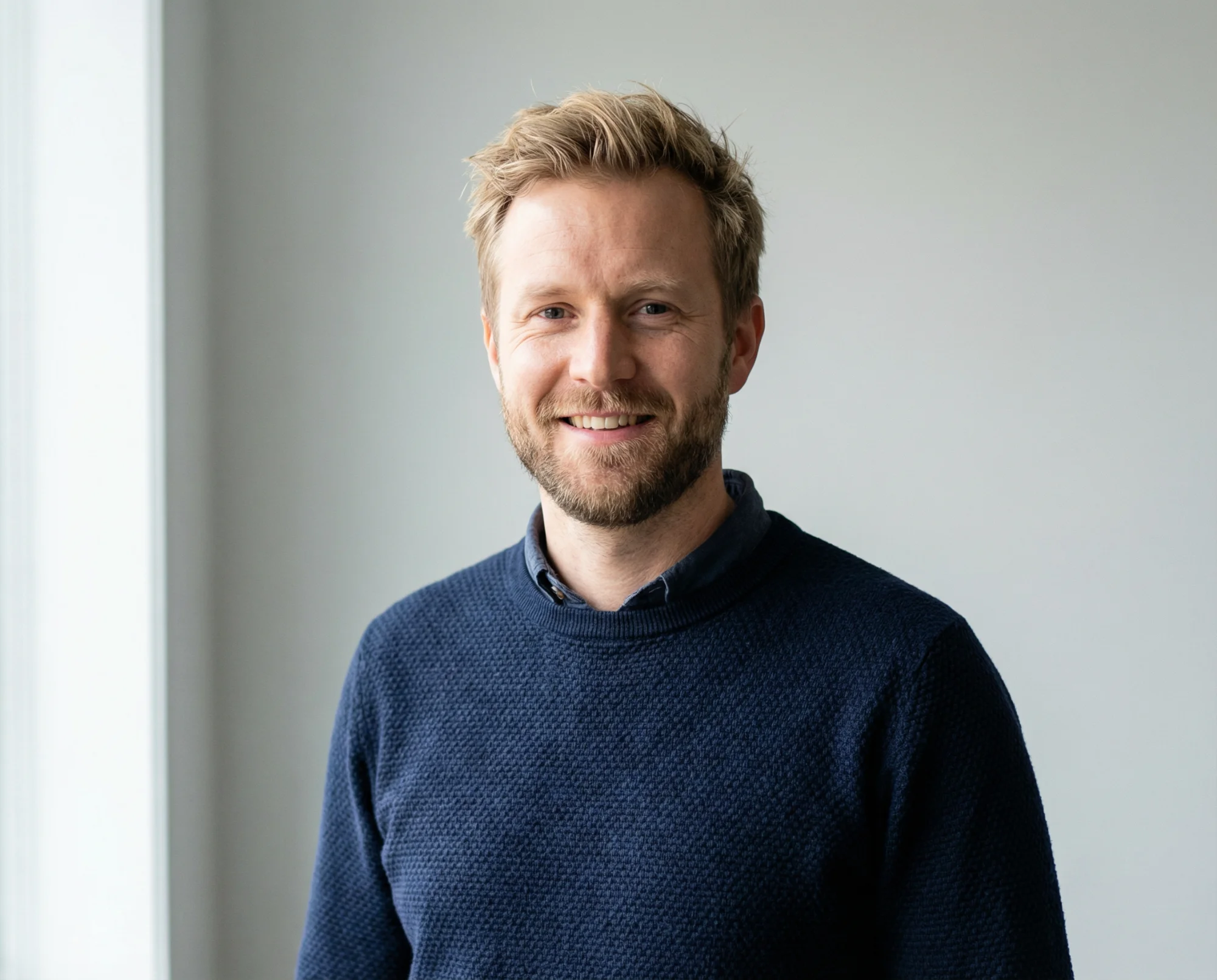
Dr. Jakob Nygaard
Clinical Neuroscience Liaison
Dr. Nygaard bridges the gap between lab and clinic. Trained in neurology and neurotrauma research, he defines clinically relevant prediction targets, curates patient cohorts, and ensures outputs align with real diagnostic and prognostic needs.
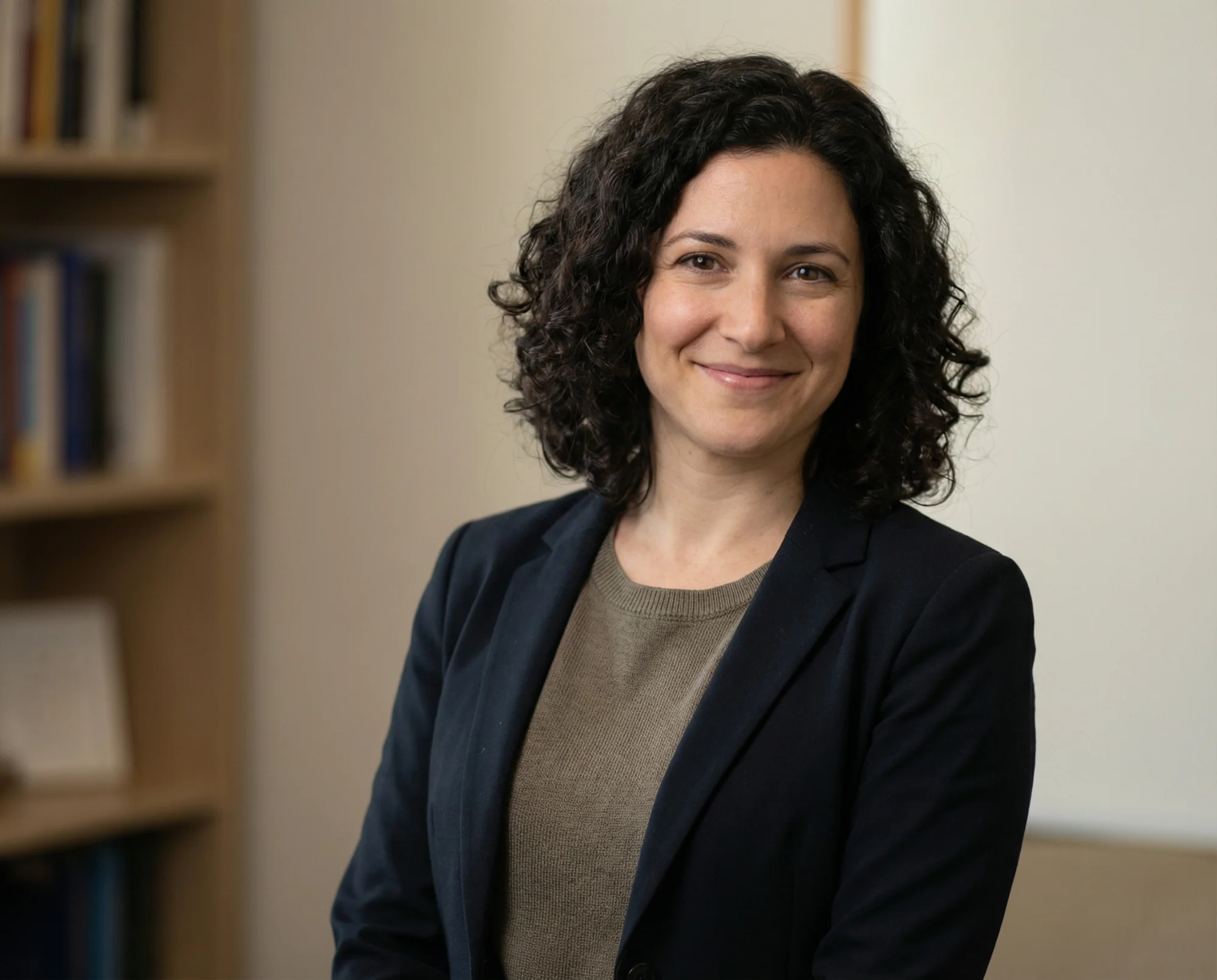
Dr. Elena Petrova
Machine Learning & Data Integration Lead
Dr. Petrova focuses on large-scale data fusion: imaging, clinical records, biomechanics, and longitudinal outcomes. Her expertise includes deep learning, representation learning, and causal inference with emphasis on transparency in high-stakes medical prediction.
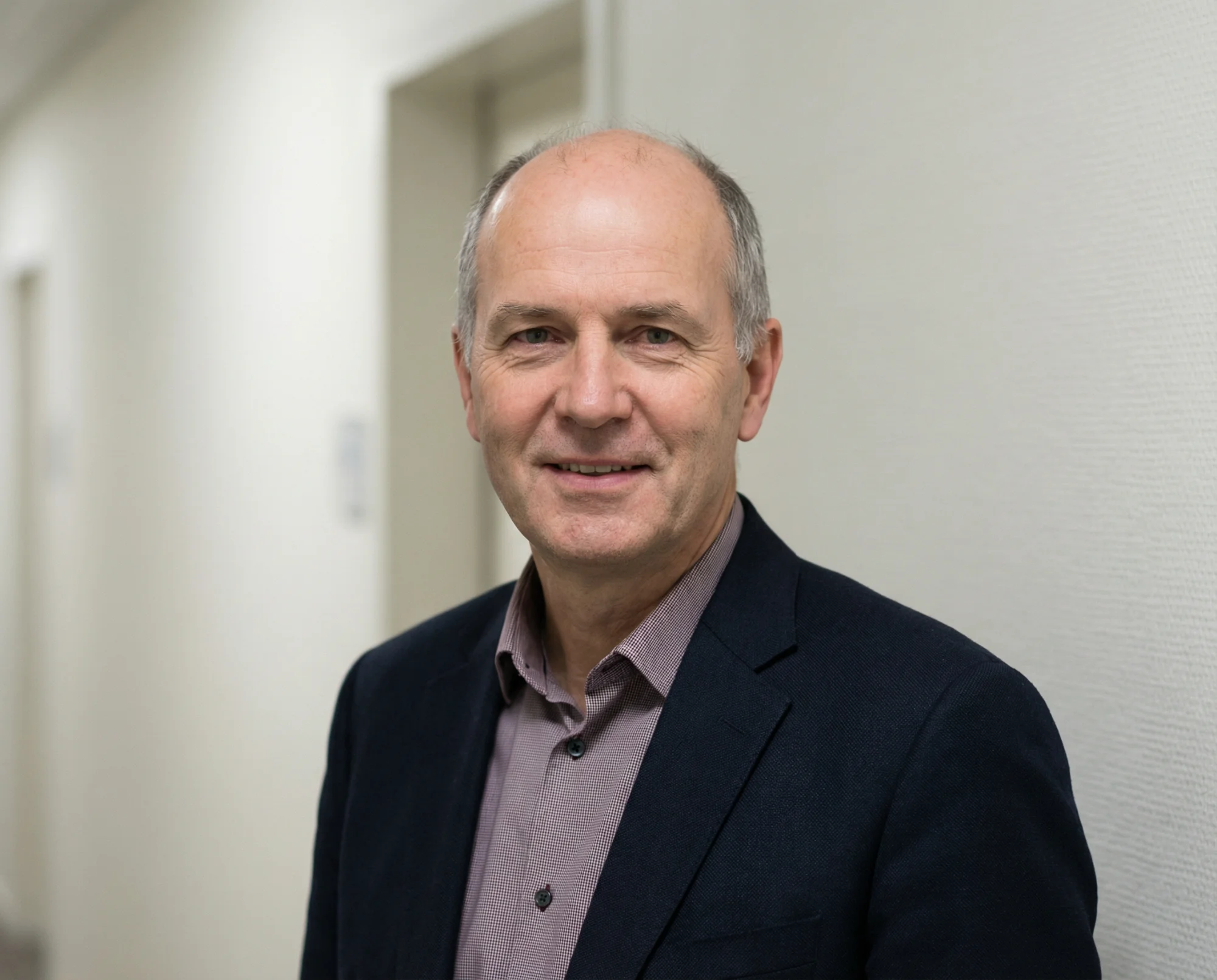
Dr. Anders Holm
Biomechanics & Injury Dynamics Researcher
Dr. Holm studies the physical mechanisms underlying brain trauma. He develops biomechanical models of impact, strain, and tissue response, linking injury dynamics to downstream imaging signatures and neurological outcomes.
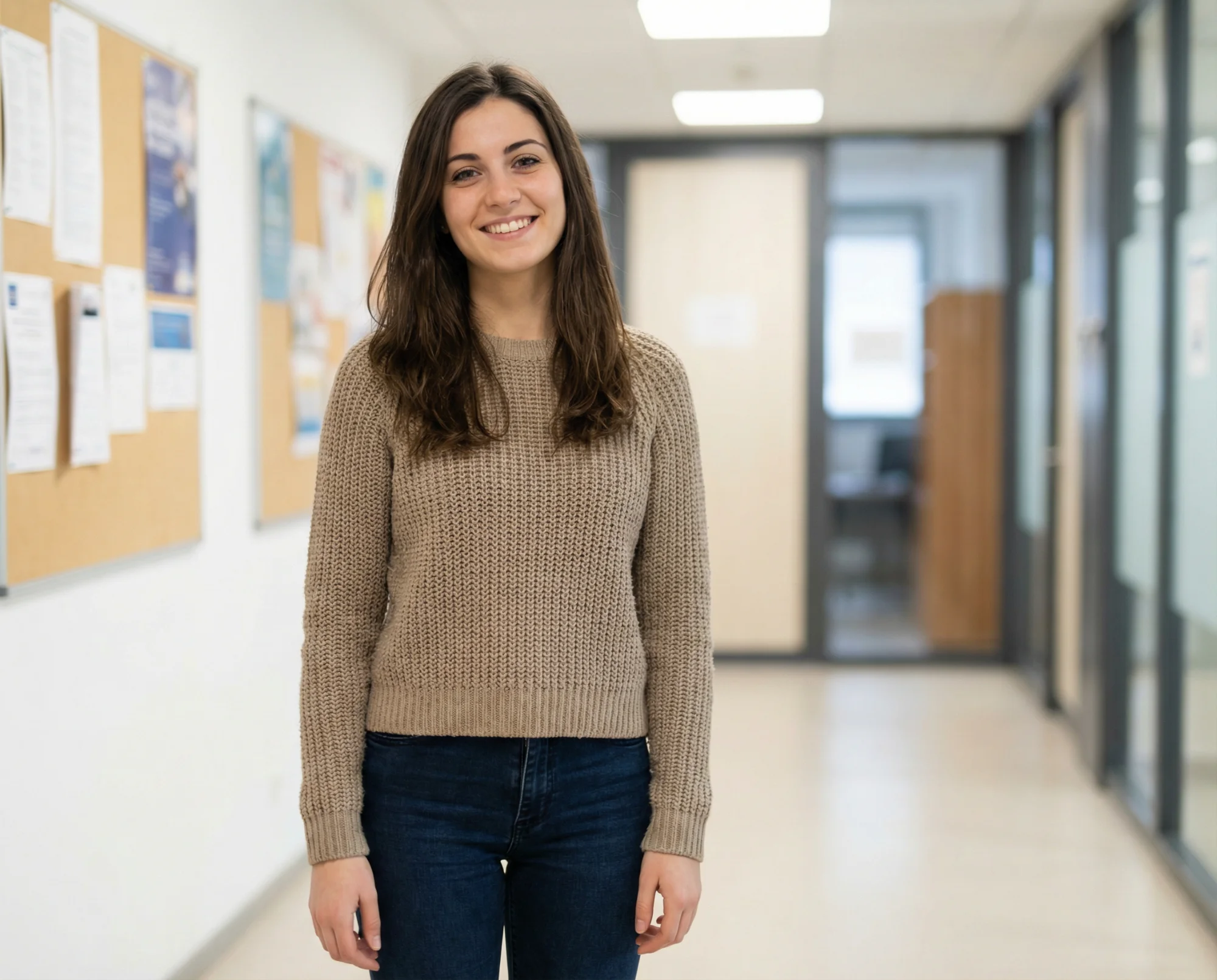
Anna Galli, MSc
Research Engineer & Infrastructure Lead
Anna designs and maintains the team's computational infrastructure. She builds reproducible pipelines, manages high-performance computing workflows, and ensures data handling meets both scalability and medical compliance standards.